


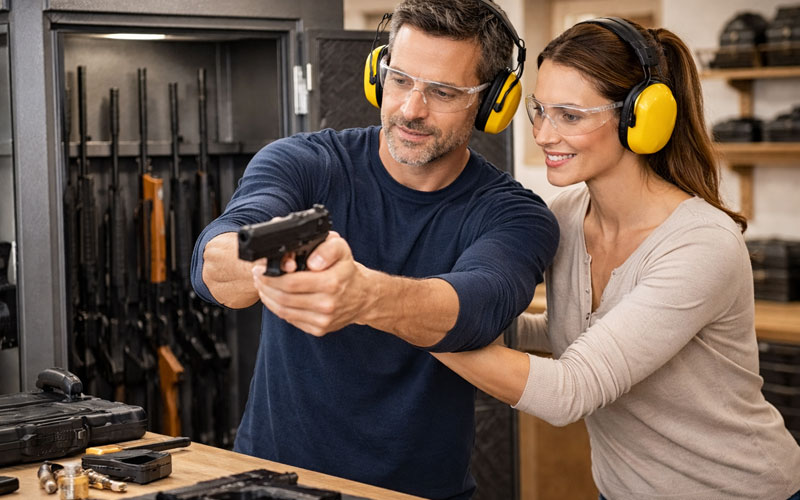
Firearm ownership carries an important set of responsibilities that every owner should take seriously. Ensuring safe practices protects not only the owner but also their family, visitors, and the wider community. With the ongoing discussions about responsible ownership, understanding the essentials of safe handling and storage is more important than ever. Whether you are new to the world of guns or have years of experience, regular refreshers on safety protocols and emerging industry trends can help keep everyone safe.
New and seasoned firearm owners alike benefit from continuous education about responsible habits. While individuals purchase firearms for various reasons, including sport, hunting, and self-defense, the underlying need for secure storage, proper handling, and awareness of technological advances remains universal. This article provides a concise guide to essential safety rules and dives into changes and resources shaping firearm ownership in recent years.
The landscape of firearm use is evolving with diverse demographics entering the space, and communities playing an active role in promoting responsible practices. Those interested in improving their proficiency can find valuable instruction and challenging scenarios at a local range. As this article will outline, establishing a solid safety foundation and staying informed about new practices ensures a safer environment for all.
Fundamental Safety Rules
Safe firearm use begins with mastering the four most recognized safety rules, which serve as the foundation for responsible ownership:
- Treat every firearm as if it were loaded. Always approach every gun as if it is loaded, regardless of whether you know it is not. This mindset minimizes the risk of accidental injuries or discharges.
- Keep the muzzle pointed in a safe direction. This simple habit ensures that if the weapon is discharged accidentally, no one will be harmed. A safe direction means away from yourself and others.
- Keep your finger off the trigger until you are ready to shoot. Training yourself to only touch the trigger when you are absolutely ready reduces the potential for unintentional discharges.
- Be aware of your target and what is beyond it. Bullets can pass through targets and continue traveling. Always check your backdrop to prevent tragic mistakes.
Secure Storage Practices
Storing firearms safely at home protects children, guests, and prevents theft. Responsible storage is a crucial aspect of ownership and should be tailored to each family’s needs:
- Gun safes and lockboxes: These provide secure, physical barriers that prevent unauthorized users, especially children, from accessing firearms.
- Store ammunition separately: Keeping ammunition in a different, locked location adds a second layer of protection and reduces the odds of a firearm being used accidentally or impulsively.
- Cable and trigger locks: Easy to use and often provided for free by local police or safety programs, these devices render firearms inoperable when in storage. For example, Project ChildSafe offers free gun locks and educational materials to families at risk of unintentional shootings.
Importance of Education and Training
Information and practice are the best ways for gun owners to reduce risks and improve competence. From first-time buyers to seasoned owners, education is a continuous need:
- Certified training courses: Workshops certified by state or national organizations teach critical skills, including the safe operation, cleaning, and legal considerations of firearms.
- Knowledge of local laws: Laws regarding storage, transportation, and ownership vary by location. Staying up-to-date prevents accidental violations and promotes responsible practices.
- Practice at local ranges: Regular sessions at a controlled environment can help maintain or improve skills while reinforcing safety protocols.
Emerging Trends in Firearm Ownership
Recent years have seen notable changes in the demographic makeup and motivations of firearm owners in the United States:
- Diversification: More women and people from a wider variety of backgrounds are purchasing guns, reflecting an increasing interest in personal safety and shooting sports across all communities.
- Emphasis on self-protection: Surveys indicate that self-defense remains the leading reason for new firearm purchases, alongside recreation and sport shooting.
Technological Advancements in Firearm Safety
Innovation continues to make firearm ownership safer and more accessible to responsible users:
- Smart gun technologies: Biometric and RFID-enabled firearms are gaining traction. These can only be operated by authorized users, adding a critical barrier against unauthorized use.
- Training simulators: Virtual reality and augmented reality simulators enable owners to sharpen their skills in controlled scenarios, improving safety without the need for live ammunition.
Community Initiatives and Resources
Across the United States, organizations and law enforcement agencies are offering resources that encourage responsible firearm ownership:
- Free safety kits: Initiatives, such as Project ChildSafe, partner with local agencies to provide free gun locks and educational materials to families at risk of unintentional shootings.
- Public service campaigns: Awareness campaigns share safe storage tips and highlight the lifelong impacts of firearm incidents, promoting a security-first mindset in the community.
Conclusion
Safe firearm ownership demands vigilance, education, and a willingness to adapt as new technologies and trends emerge. By following the core safety rules, storing firearms and ammunition securely, and seeking out ongoing education at reputable ranges or through community programs, owners help foster safer homes and neighborhoods. Adopting best practices and leveraging new safety innovations are crucial steps in supporting responsible, informed firearm communities across the country.