


Technology has revolutionized the real estate industry, transforming how properties are bought, sold, and managed. From virtual tours to blockchain transactions, these advancements have streamlined processes and enhanced the experience for buyers, sellers, and agents alike. In Vero Beach, Florida, professionals like Vero Beach FL real estate agent Kristin Dobson are at the forefront of integrating these technologies to provide exceptional service. Kristin Dobson, a top luxury real estate agent with ONE Sotheby’s International Realty, leads the #1 team in Vero Beach and is recognized among the Top 100 Sotheby’s agents in 2025. Her client-centered approach and deep understanding of individual real estate goals ensure a personalized and efficient experience for her clients.
Virtual Tours and Augmented Reality
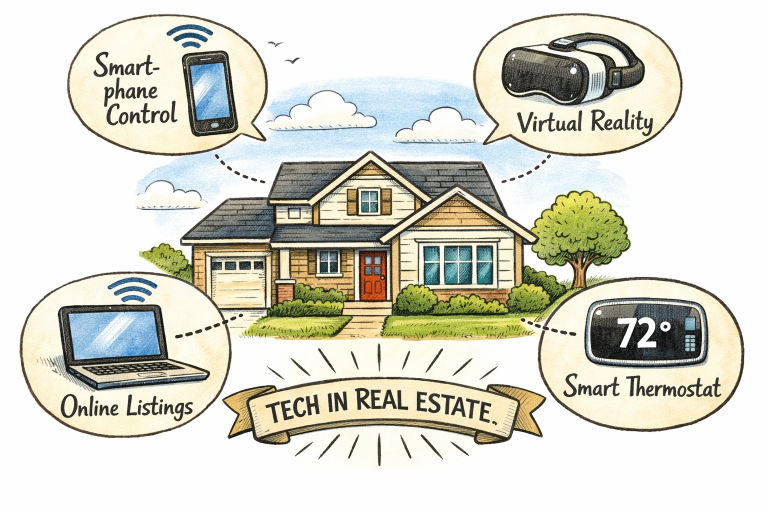
Gone are the days when potential buyers had to visit every property in person. Today, virtual tours and augmented reality (AR) offer immersive experiences that let buyers explore homes from anywhere. With just a smartphone or computer, buyers can walk through properties in 3D, examining every corner and detail. These technologies save time and resources for both buyers and sellers.
Big Data and AI in Real Estate
Artificial intelligence (AI) and big data have transformed the real estate industry by providing predictive insights into market trends and property valuations. AI algorithms analyze vast amounts of data to identify patterns, helping investors and agents make informed decisions. This technology has paved the way for the entry of beginner, individual, and part-time investors, placing them on an equal footing with those who have spent their lifetimes analyzing deals and trading properties.
Blockchain and Smart Contracts
Blockchain technology, known for its security and transparency, has also found significant application in real estate transactions. Smart contracts, powered by blockchain, have the potential to streamline and secure the often-complex process of buying and selling property. By using blockchain, we could eliminate intermediaries, reduce fraud, and expedite the closing process, benefiting all parties involved.
Mobile Applications and Digital Platforms
Mobile technology has made real estate more accessible. With dedicated apps, buyers can search for properties, schedule showings, and even communicate with agents on the go. These apps often include features like saved searches, price alerts, and neighborhood insights. For agents, mobile apps streamline daily tasks. They can access listings, manage contacts, and track leads from their smartphones. This flexibility enhances productivity and enables agents to serve their clients better.
Smart Home Technologies
As smart home technologies continue to fill up residential spaces, so much so, in fact, that it may now influence property values, IoT integrations change what it is to invest in today’s living environments. For today’s prospective owner, smart home features can be weighed as carefully as square footage or location. This convergence of state-of-the-art technologies cuts across both the luxury and mainstream markets, creating a user experience that propels the real estate industry into an era of unparalleled customization and convenience.
Drones and Aerial Photography
Drones have added a new dimension to real estate marketing. High-quality aerial photography and videography offer unique perspectives of properties, highlighting features such as large backyards, pools, and surrounding landscapes. This technology enhances online listings, attracting more potential buyers and giving them a comprehensive view of the property.
Online Marketplaces and Digital Listings
Digital listings and portals have changed the whole perspective of real estate and have demolished traditional barriers relating to purchasing, selling, or letting properties. These portals have overcome geographical barriers, and potential buyers can now view properties from anywhere in the world by simply clicking on their computers. This convenience not only extends the market’s reach but also supports buyers by placing a wealth of information at their fingertips, from virtual tours to neighborhood analytics, so they may make informed decisions without necessarily having to see properties in person at every stage.
Future Trends in Real Estate Technology
As we look ahead, the digital transformation of real estate shows no signs of slowing down. The fusion of real estate and technology is rewriting the rules of the game. For entrepreneurs and investors alike, embracing these technological advancements is not just an option; it’s necessary to thrive in the ever-evolving world of real estate.
Embracing these technological advancements not only enhances the real estate experience but also ensures that buyers and sellers have the tools and information needed to make informed decisions in today’s dynamic market.