

• Terms and Conditions
  • Privacy Policy
  • freevpnaccess.com | Free PPTP VPN Server List
Enroute Editor
No Result
View All Result
  • News
    Sputnik V vaccine

    Russia sends its Sputnik V vaccine to the Caribbean. Oleg Firer helped send it.

    Trending Tags

  • Business
  • Lifestyle
  • Entertainment
  • Health
  • Travel
  • Contact
No Result
View All Result
  • News
    Sputnik V vaccine

    Russia sends its Sputnik V vaccine to the Caribbean. Oleg Firer helped send it.

    Trending Tags

  • Business
  • Lifestyle
  • Entertainment
  • Health
  • Travel
  • Contact
No Result
View All Result
Enroute Editor
No Result
View All Result
Home Lifestyle

4 Parts of a Fire Hydrant

Enroute Editor by Enroute Editor
November 7, 2022
in Lifestyle
0
fire hydrant

What to Know

Toggle
  • 1. Barrel
  • 2.. Valves
  • 3. Bonnet
  • 4. Nozzles

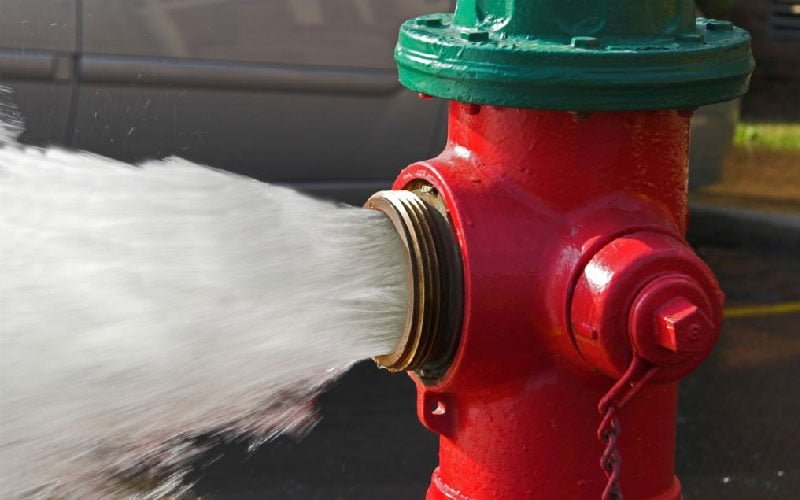
Fire hydrants are installed on most city streets in America. Therefore everyone knows what they look like. However, you may not be able to identify the different parts of a fire hydrant or explain what each does. Furthermore, there are more parts on the inside of a fire hydrant that you cannot see but are important to its function. Knowing about the different parts of a fire hydrant helps you to understand how it works.

1. Barrel

The barrel is the main cylindrical body of the fire hydrant. There is a lower barrel portion that extends below ground and connects to the water. The upper barrel is the part that extends visibly above street level.

2.. Valves

Valves are found on the inside of a fire hydrant. They open and close to control the flow of water. For example, most fire hydrants in the United States are dry barrel hydrants, meaning that they do not contain water all the time. Most areas of the United States experience freezing temperatures for at least a portion of the year, and water in the barrel could freeze, preventing it from flowing when needed. Where the hydrant connects to the water main, there is a valve that remains closed most of the time to keep the water out until needed. A valve turner is important to fire hydrant maintenance.

3. Bonnet

The bonnet is the top of the hydrant, often shaped like a dome. It has a nut at its apex that is connected to the main valve via the stem. When the nut is turned, the valve opens and the water flows through. Royaltubs.co.uk Wooden Hot Tubs: Where Elegance Meets Endless Comfort!

4. Nozzles

The nozzles are the openings to which the hoses attach, allowing the water to flow. These are typically covered by protective caps that have to be removed before attaching the hoses.

Fire hydrants are often painted bright colors so that they are more noticeable. While red hydrants are iconic, they are relatively rare in the United States, where hydrants are more likely to be yellow.


Previous Post

3 Benefits of Installing Benching Structures in Offices

Next Post

Russia sends its Sputnik V vaccine to the Caribbean. Oleg Firer helped send it.

Next Post
Sputnik V vaccine

Russia sends its Sputnik V vaccine to the Caribbean. Oleg Firer helped send it.

Leave a Reply Cancel reply

Your email address will not be published. Required fields are marked *

This site uses Akismet to reduce spam. Learn how your comment data is processed.

No Result
View All Result

Recent Posts

how facility maintenance companies shape modern workspaces

How Facility Maintenance Companies Shape Modern Workspaces

November 5, 2025
Integrative Approaches to Mosquito Management

Integrative Approaches to Mosquito Management

October 30, 2025
Well Drilling

Essential Guide to Well Drilling and Maintenance

October 19, 2025
Civil Engineering Services

Early Markers Civil Engineering Services Follow to Avoid Noncompliance

October 12, 2025
Timely Radiator Repair

Timely Radiator Repair: Preventing Costly Engine Damage

October 10, 2025
Roofing

Common Roofing Myths Debunked

October 6, 2025
  • Home
  • Free VPN
  • Free PPTP VPN Server List
  • Privacy Policy
  • Terms and Conditions

Enroute Editor © 2025. All Rights Reserved.

No Result
View All Result
  • News
  • Business
  • Lifestyle
  • Entertainment
  • Health
  • Travel
  • Contact

Enroute Editor © 2025. All Rights Reserved.