


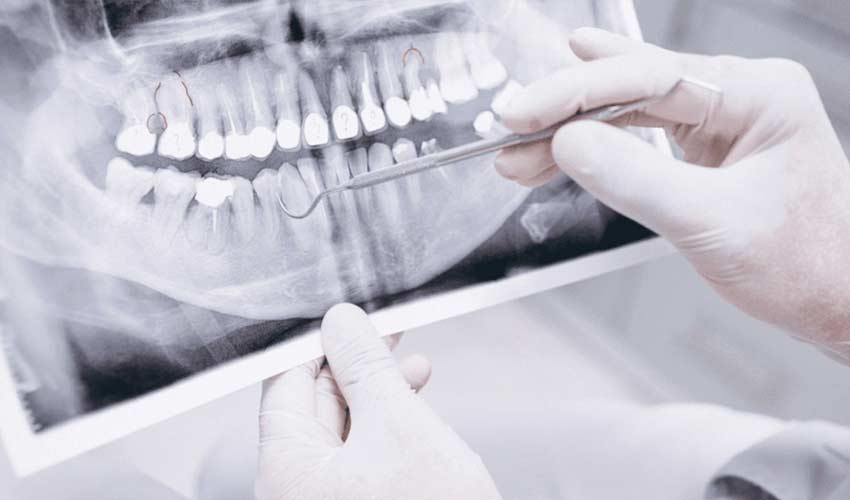
Diagnostic accuracy is the cornerstone of effective dental care. However, even experienced clinicians can miss subtle signs on radiographs or overlook early-stage pathology due to fatigue, time constraints, or complex imaging data. Today, artificial intelligence (AI) is playing a transformative role in minimizing diagnostic errors in dental radiology—helping dentists deliver faster, more accurate, and more consistent care.
AI-powered platforms are not here to replace human expertise but to enhance it. By supporting clinicians in image interpretation and analysis, AI significantly reduces the risk of oversight and improves clinical confidence. Below are five key ways AI is helping reduce diagnostic errors in dental radiology.
- Enhanced Detection of Subtle Pathologies
One of the most valuable features of AI in dental imaging is its ability to detect pathologies that may be too subtle for the human eye. Periapical lesions, initial-stage caries, incipient bone loss, and minor root fractures can all go unnoticed during routine interpretation. AI algorithms, trained on thousands of clinical images, are capable of identifying these early-stage issues with a high degree of accuracy—prompting clinicians to investigate areas that may otherwise have been missed.
This added layer of analysis leads to earlier intervention and more conservative treatment options, ultimately benefiting both the patient and the practice.
- Consistent Interpretation Across Cases
Human interpretation is subject to variability based on experience, fatigue, and even time of day. Two clinicians may view the same radiograph and draw different conclusions. AI systems provide a consistent standard of analysis across all cases, helping to eliminate subjective discrepancies. This is particularly valuable in group practices or clinics where multiple dentists may share diagnostic responsibilities.
Platforms like Diagnocat ensure that every radiograph—whether 2D or 3D—is evaluated against the same trained diagnostic parameters, bringing uniformity to the decision-making process.
- Faster Image Analysis Under Pressure
In busy dental practices, clinicians often operate under time pressure. This can lead to rushed image evaluations, increasing the chance of overlooking critical findings. AI tools work quickly and efficiently, analyzing panoramic X-rays, CBCT scans, and intraoral images within seconds. They highlight areas of concern, allowing the dentist to focus their attention where it’s most needed.
This not only saves time but also ensures that each image is reviewed thoroughly, reducing the risk of diagnostic shortcuts or omissions during a packed clinical schedule.
- Integration with Comprehensive Diagnostic Reports
AI doesn’t just highlight potential issues—it contextualizes them. With advanced AI systems, findings are integrated into automatically generated diagnostic reports that include annotated images, 3D segmentations, and suggested diagnoses. These reports serve as a second opinion, validating the clinician’s own observations or flagging discrepancies.
By centralizing all diagnostic information in one place, AI eliminates the risk of critical details being overlooked or lost in the workflow, especially in complex or multi-specialty cases.
- Improved Patient Communication Reduces Misunderstandings
Diagnostic errors can sometimes stem not from the imaging itself, but from misunderstandings between clinician and patient. When a patient does not fully grasp the diagnosis, they may delay or refuse necessary treatment. AI-generated visual reports help patients understand what the dentist sees—clearly outlining issues with visual overlays and 3D renderings.
This improves communication, builds trust, and ensures that both patient and provider are aligned on the treatment plan. Reducing this communication gap is another way AI indirectly helps reduce errors and improve outcomes.
Diagnocat: AI You Can Trust
One of the most advanced solutions in this space is Diagnocat, an AI-powered diagnostic assistant designed specifically for dental professionals. Diagnocat analyzes 2D and 3D images, detects over 60 types of dental pathologies, and generates professional, easy-to-understand reports that support accurate diagnosis and patient education.
With CE certification, GDPR compliance, and multilingual capabilities, Diagnocat is trusted by dental clinics across Europe and beyond to reduce diagnostic risk and support clinical excellence.
Conclusion: A Smarter, Safer Future for Dental Diagnostics
Reducing diagnostic errors is not just about technology—it’s about elevating the standard of care. AI acts as a safety net, a time-saver, and a second set of expert eyes in the dental radiology process. By enhancing accuracy, consistency, and communication, AI empowers dental professionals to make better decisions and improve patient outcomes.
For clinics looking to adopt a smarter, safer diagnostic workflow, AI platforms like Diagnocat provide the tools to achieve it. Explore how Diagnocat can support your dental practice at https://diagnocat.com.