


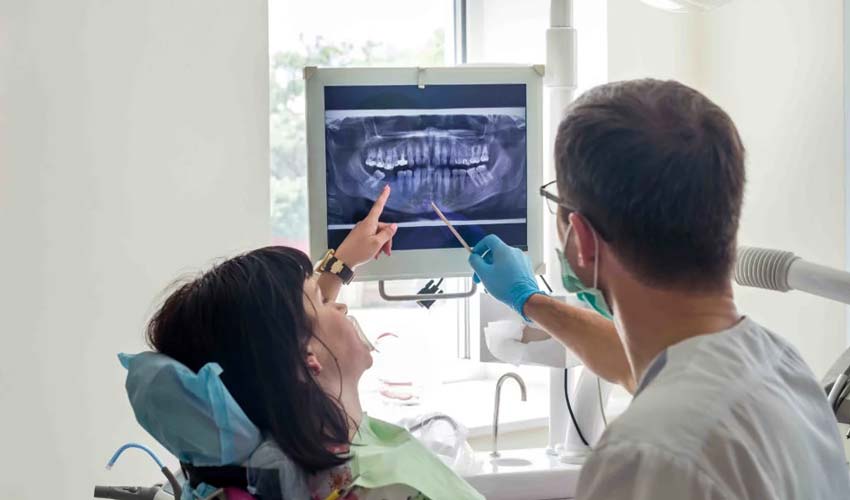
Dental diagnostics are evolving faster than ever, and artificial intelligence is at the forefront of this transformation. For decades, dentists have relied on their training and expertise to interpret radiographs and 3D imaging, but human interpretation can vary, and subtle findings may sometimes be overlooked. AI-powered dental radiology reports are bridging that gap by delivering consistent, accurate, and visually clear insights that strengthen both diagnosis and patient communication. These tools are becoming a vital component of modern dental care, offering a level of detail and precision that significantly enhances clinical outcomes.
From Image to Insight in Seconds
AI-powered radiology systems can analyze dental images—including intraoral radiographs, panoramic X-rays, and cone-beam computed tomography (CBCT) scans—within seconds. This capability allows dentists to detect potential pathologies faster and with greater confidence. The AI engine reviews every pixel, comparing patterns to a vast database of annotated cases, ensuring that even subtle lesions, early-stage decay, or small fractures are identified. The result is a more comprehensive overview of a patient’s oral health that supports the dentist’s clinical judgment.
One of the most important benefits of AI-enhanced reports is their ability to reduce diagnostic errors. By offering an objective, data-driven assessment of images, AI helps ensure that findings are not influenced by fatigue, time constraints, or individual interpretation bias. This is especially valuable when dealing with complex CBCT scans, where the wealth of detail can make it challenging for a human examiner to review every slice thoroughly. The AI consistently applies the same criteria to each case, flagging areas of interest for the dentist’s attention.
A Powerful Tool for Patient Communication
In the past, dental imaging was often difficult for patients to interpret, leading to uncertainty about the need for treatment. AI-powered radiology reports transform this experience by presenting findings in a visually intuitive format. Color-coded charts, annotated images, and simplified summaries help patients see exactly where problems exist and understand why specific treatments are recommended. Platforms such as Diagnocat excel in this area, producing branded, easy-to-read reports that can be printed or shared digitally, making the consultation process more transparent and engaging.
Standardizing Quality Across the Practice
AI-powered reports also promote consistency in multi-dentist practices and dental service organizations (DSOs). Since the AI applies the same diagnostic rules to every case, it helps ensure that patients receive the same high standard of care regardless of which dentist reviews their images. This uniformity builds trust with patients and supports clinics in maintaining quality assurance across multiple locations.
Beyond clinical accuracy, AI-enhanced radiology reports contribute to more efficient workflows. With faster image interpretation, dentists can spend less time reviewing scans and more time engaging with patients. These systems also integrate seamlessly with practice management tools, allowing reports to be stored, shared, and retrieved instantly. For clinics aiming to improve patient satisfaction, increase treatment acceptance rates, and grow their reputation for cutting-edge care, adopting AI-powered reporting is a strategic investment in the future of dentistry.
Conclusion: A New Standard for Dental Imaging
AI-powered dental radiology reports are redefining what is possible in diagnostic dentistry. They combine the precision of advanced imaging analysis with the clarity of patient-friendly reporting, empowering dentists to make more confident decisions and patients to take a more active role in their care. As the technology continues to advance, its integration into everyday practice is not just inevitable—it is quickly becoming the new standard for delivering accurate, efficient, and trustworthy dental diagnostics.