


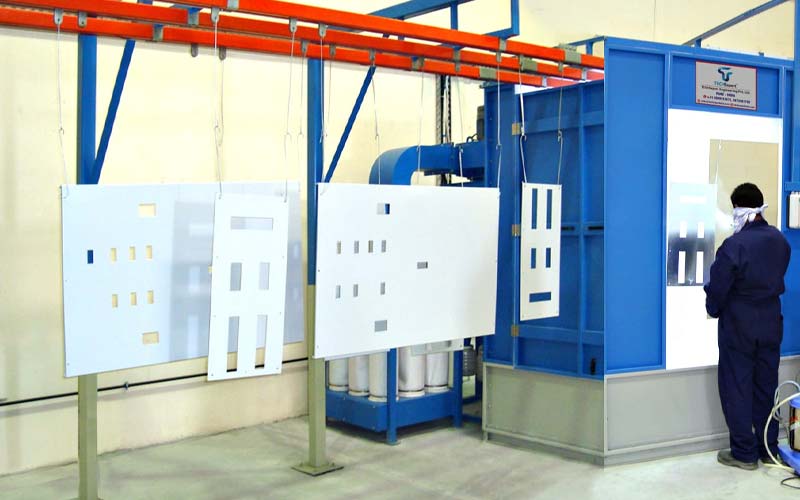
A smooth, even powder coat finish depends on more than just skill—it relies on the hidden work of the machine’s filtration system. Filters keep air clean, powder contained, and the entire process efficient. Over time, though, the smallest changes in airflow or powder behavior can hint at the need for a tune-up. Recognizing these cues early can keep the powder coating machine operating at peak performance.
When to Check Your Filters
Filters in a powder coating machine work constantly, catching overspray and preventing airborne particles from disrupting the finish. Even if the machine still appears to be running smoothly, buildup inside the filters can start affecting airflow before any obvious signs appear. Scheduled checks ensure that any early blockages are caught before they lead to inconsistent coverage or wasted powder.
A good rule is to check filters based on operating hours rather than waiting for visible issues. In high-use environments, this may mean inspecting them multiple times a week. Regular filter checks are a small step that can save significant time and money by preventing downtime or costly reworks caused by contaminated airflow.
Tune-Up Cues from Your Machine
The powder coating machine itself often signals when a tune-up is due. Changes in the sound of the blower, slower powder recovery, or an increase in static buildup can all point toward filter-related inefficiencies. These signs are subtle but meaningful, as they usually occur before more serious problems emerge.
Operators who pay attention to these cues can schedule maintenance before quality suffers. If the machine feels like it’s working harder to achieve the same output, it’s likely the filters are restricting airflow. This is the perfect opportunity to address the issue before the strain leads to premature wear on other components.
Powder Flow and Filtration Clues
Powder movement through the machine provides valuable feedback about filter health. If powder flow becomes erratic—either pulsing or slowing unexpectedly—it may be a sign that filters are no longer allowing air to pass freely. Inconsistent flow can cause uneven coating thickness, making rework almost inevitable.
In well-functioning powder coating machines, powder should move in a steady, controlled stream. Any fluctuation in delivery speed or spray density is worth investigating. Sometimes the problem isn’t with the spray gun or feed system at all—it’s simply a filter in need of cleaning or replacement.
Indications from Clogged Filters
Clogged filters are one of the most common reasons for performance dips. A noticeable drop in suction strength or visible powder accumulation on filter surfaces is a clear warning sign. If powder is starting to bypass the filter entirely, the situation can quickly escalate to more serious mechanical issues.
Replacing or cleaning clogged filters promptly not only restores proper airflow but also protects the internal components of the powder coating machine. Ignoring a clogged filter can lead to contamination inside the system, making repairs more involved and costly than a simple filter change.
Why You Need a Filtration Tune-Up
Filtration tune-ups keep the powder coating machine’s performance consistent. Over time, even partially blocked filters cause the machine to work harder, which can shorten the lifespan of motors, blowers, and other key parts. Tune-ups restore the balance between airflow and powder recovery, helping maintain finish quality and production efficiency.
Regular tune-ups also ensure the coating process remains environmentally responsible. Well-maintained filters capture more overspray, reducing waste and keeping airborne particles out of the workspace. This benefits both operators and the overall cleanliness of the facility.
What to Look for in Your System’s Filters
Not all filters are the same, and knowing what to look for can improve performance. High-quality filters for a powder coating machine are designed to capture fine powder efficiently while maintaining optimal airflow. Inspect filters for even wear, intact seals, and material integrity to ensure they are performing as intended.
It’s also important to match filter specifications to the type of powder and the demands of the application. Using the wrong filter can cause issues even if it’s brand new. An operator familiar with their system’s filtration needs can spot mismatches quickly and prevent ongoing performance issues.
How Filter Changes Impact Performance
Swapping out a worn filter often brings an immediate improvement in machine performance. Airflow returns to normal, powder recovery becomes more efficient, and spray patterns stabilize. For operators, this means less effort spent troubleshooting and more time producing quality finishes.
Consistent filter changes also reduce strain on the machine’s other systems. This preventative step helps avoid costly repairs and extends the life of major components. A simple filter change can be the difference between a smooth-running powder coating machine and one that constantly demands attention.