


What Are Dental Implants?
Dental implants are a permanent solution for missing teeth, closely mimicking natural teeth’ look, feel, and function. Artificial tooth roots provide a strong foundation for fixed or removable replacement teeth. Implants have revolutionized modern dentistry and are offered by many dental professionals, including your trusted family dentist Fort Collins, CO who can guide you through the process and suitability for your specific situation.
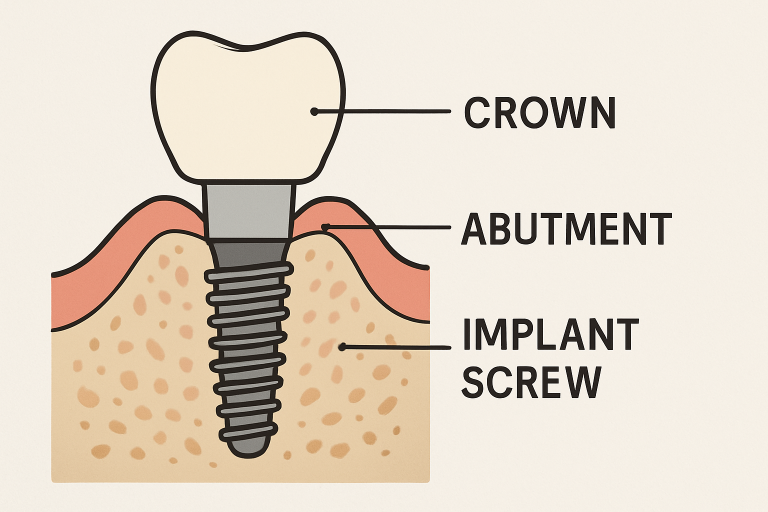
A dental implant typically consists of three parts: the fixture (a titanium screw surgically placed in your jawbone), the abutment (which connects the implant to the crown), and the crown itself (the visible tooth-like component). Following tooth loss, this trio works together to restore function, aesthetics, and oral health.
Who Typically Needs Dental Implants?
Candidates for dental implants include adults who have lost one or more teeth due to decay, injury, periodontal disease, or age-related factors. Implants are ideal for individuals with sufficient bone density and healthy gums, and they can be considered after tooth extraction or when traditional bridges or dentures are unsuitable. Common causes of tooth loss include trauma, chronic oral diseases, and advanced tooth decay.
How Dental Implants Work: The Science Behind Them
Dental implant treatment follows a systematic process to ensure long-term stability and integration. The procedure begins with a thorough examination and imaging to determine your bone structure and oral health. Next, the titanium fixture is surgically inserted into the jawbone, acting as a new root for the missing tooth. This fixture undergoes osseointegration—a biological process in which the bone bonds with the implant, creating a sturdy base for the prosthetic tooth.
The Dental Implant Procedure: Step-by-Step
The journey to a successful implant starts with an initial consultation, during which diagnostic tests like X-rays and 3D scans are performed to develop a personalized treatment plan. During the surgical placement, local anesthesia is used, and the dentist positions the titanium screw into the jawbone.
After placement, patients must follow detailed aftercare instructions to encourage proper healing and prevent infection. Full recovery and integration can take several weeks to months, depending on individual healing rates and whether bone grafting was required. Regular follow-up visits are scheduled to monitor progress before the final crown is attached.
Pros and Cons of Dental Implants
Dental implants present several distinct advantages over bridges and dentures. They offer superior stability, prevent bone loss in the jaw, and behave like natural teeth for speech and chewing. Implants eliminate the discomfort and inconvenience of removable dentures and can last decades with proper care.
However, as with any surgical procedure, there are potential risks and complications, including infection, nerve damage, or implant failure. Yet, studies show high success rates, with long-term survival often exceeding 95%.
Common Questions About Cost and Insurance
The cost of dental implants varies by location, case complexity, and the materials used, generally ranging from $3,000 to $5,000 for a single implant and crown. Additional procedures, such as bone grafts or sinus lifts, can impact the final cost. Dental insurance coverage for implants is variable; some policies offer partial coverage, while others may provide discounts for alternative restorations.
Many dental practices offer financing plans or work with insurers to help patients afford treatment. While implants require a higher initial investment than traditional options, their durability and positive impact on oral health often translate to lower long-term costs.
Caring for Your Dental Implants
Daily care for dental implants is similar to caring for natural teeth—brushing twice daily, flossing, and using an antibacterial mouthwash. Special brushes may be recommended for cleaning around the implant. Avoiding hard foods and smoking can also protect your implants.
Routine checkups with your dentist are crucial. These appointments allow for early detection of potential issues and professional cleaning to maintain gum and bone health.
Recent Advances in Dental Implant Technology
The field of dental implants continues to advance, focusing on improved biocompatibility, faster healing times, and greater customization. Innovations like 3D-printed surgical guides, computer-aided implant placement, and bioactive coatings simplify procedures and reduce risk. Modern materials, including ceramic implants, cater to those with metal sensitivities and aesthetic concerns.
New techniques such as immediate load implants and zygomatic implants are expanding treatment options for people with challenging bone structures.
Final Thoughts
Dental implants represent a major advancement in restorative dentistry. They offer a natural look and a long-lasting solution for tooth loss. The process involves careful assessment, minor surgery, and ongoing care, culminating in renewed oral function and confidence.
If you are considering dental implants, consult a dental professional to determine your suitability and gain peace of mind. Being informed empowers you to make the right decision for your health and quality of life.