


Sedation Options for a Comfortable Dental Experience
For many people, the prospect of visiting the dentist can evoke feelings of anxiety and fear. This apprehension can stem from previous unpleasant experiences, a fear of pain, or simply the vulnerability of having someone work inside their mouth. Fortunately, modern dentistry offers a variety of sedation options to ensure a comfortable and stress-free experience for patients. In this article, we will explore the various sedation options available, their benefits, and how they can transform your dental visit into a more pleasant experience.
Understanding Dental Anxiety
Dental anxiety is a common issue that affects a significant portion of the population. According to studies, nearly 36% of people experience dental fear, with around 12% suffering from extreme dental anxiety. This fear can lead to avoidance of dental care, which in turn can result in poor oral health and even more complex dental problems. To address this issue, dental professionals offer sedation options tailored to the needs of the patient, ensuring that anxiety does not interfere with oral health care.
Types of Sedation Used in Dentistry
There are several types of sedation used in dentistry, each with varying levels of relaxation and consciousness. These include:
1. Nitrous Oxide (Laughing Gas)
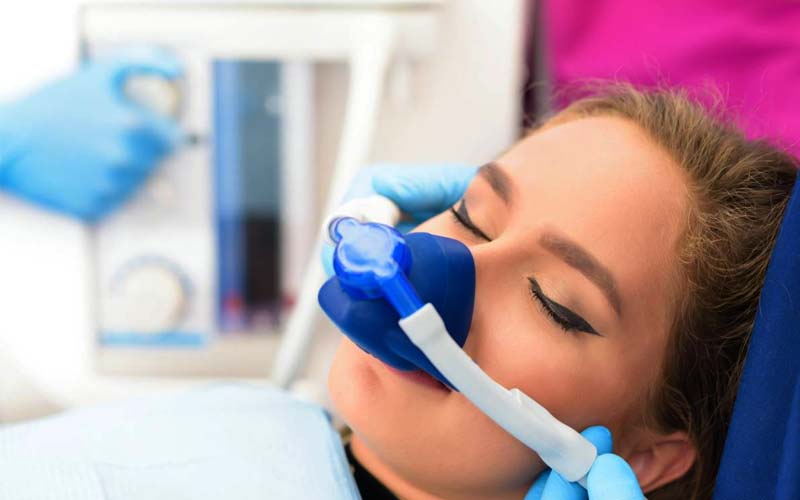
Nitrous oxide, commonly known as laughing gas, is a mild sedative that is inhaled through a mask placed over the nose. It induces a state of relaxation and euphoria, allowing patients to feel calm and at ease during their dental procedure. The effects of nitrous oxide wear off quickly, enabling patients to resume their daily activities soon after their appointment.
2. Oral Sedation
Oral sedation involves taking a prescribed medication prior to the dental procedure. This form of sedation can range from mild to moderate, depending on the dosage. Patients typically remain awake but in a relaxed state, with reduced awareness of the procedure. Oral sedation is particularly beneficial for patients with moderate to severe dental anxiety.
3. IV Sedation
Intravenous (IV) sedation is a deeper form of sedation administered directly into the bloodstream. This method allows for a more controlled sedative effect, making it suitable for more complex procedures or for patients with significant anxiety. Under IV sedation, patients remain conscious but deeply relaxed and may have little to no memory of the procedure.
4. General Anesthesia
General anesthesia is the deepest form of sedation, rendering the patient completely unconscious. It is typically reserved for extensive dental procedures or for patients who cannot tolerate other forms of sedation. General anesthesia requires special equipment and monitoring, and is usually performed in a hospital setting.
Choosing the Right Sedation Option
When considering sedation for dental procedures, it is important to consult with a qualified dental professional who can assess your individual needs and recommend the most appropriate sedation method. Factors such as the complexity of the procedure, the level of anxiety, and medical history will be taken into account to ensure a safe and comfortable experience.
For those seeking a Sedation dentist Cypress, it’s crucial to choose a practice that is experienced in sedation dentistry and committed to patient comfort and safety.
The Benefits of Sedation Dentistry
Sedation dentistry offers numerous benefits beyond alleviating anxiety. It allows for faster and more efficient dental procedures, as patients are more relaxed and cooperative. Additionally, it can reduce the number of appointments needed, as more work can be completed in a single visit. Ultimately, sedation dentistry empowers patients to prioritize their oral health without the fear and stress that may have held them back in the past.
Conclusion
Advancements in sedation dentistry have made it possible for patients to undergo dental treatments with minimal anxiety and discomfort. By understanding the various sedation options available, patients can work with their dental providers to create a personalized plan that ensures a positive and comfortable dental experience. Overcoming dental anxiety is a crucial step in maintaining oral health, and sedation dentistry offers a pathway to achieving that goal.