


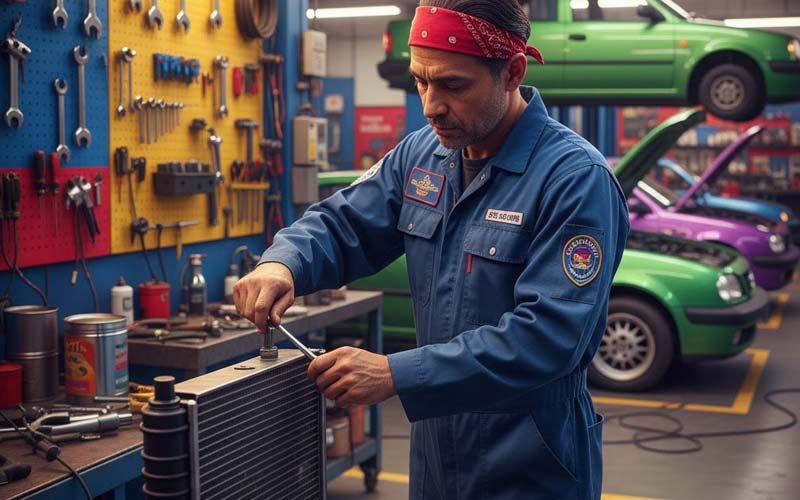
Understanding the Role of the Radiator
The radiator plays a vital part in your vehicle’s cooling system, ensuring excess heat produced by the engine is efficiently dissipated. Without a properly functioning radiator, the engine’s temperature quickly climbs to dangerous levels, heightening the risk of significant mechanical failures. Seeking timely radiator repair Apopka can help avoid the headaches associated with sudden engine overheating and breakdowns.
As the cooling system circulates coolant between the engine and radiator, efficient heat transfer is necessary to keep the motor operating within its optimal range. Any interruptions in this process—such as blockages, leaks, or a failing radiator—can spell disaster, requiring prompt attention to avoid compounding damage. Maintaining a healthy radiator not only safeguards engine performance but also helps keep repair expenses manageable.
Common Signs of Radiator Issues
Recognizing potential radiator problems early can make a significant difference in repair outcomes and costs. Drivers should remain vigilant for several indicators that signal radiator trouble:
- Engine Overheating: One of the most immediate warning signs is your temperature gauge rising or seeing steam from beneath the hood.
- Coolant Leaks: Spotting colorful puddles (typically green, orange, or pink) beneath your parked vehicle can signal coolant leaks, which often originate from the radiator or associated hoses.
- Discolored or Sludgy Coolant: Coolant contaminated with rust or debris can clog the radiator’s internal passages, reducing its efficiency and possibly leading to overheating.
- Low Coolant Levels: Frequent need to refill the coolant reservoir, especially without visible leak signs, may indicate internal leaks or more complex problem areas within the radiator or engine.
If you see any combination of these symptoms, it’s essential to assess the situation immediately. Procrastinating on repairs, even if the issue seems minor, can often lead to more significant and expensive problems down the road. Ignoring overheating can lead to a cascading effect of engine failures and additional damage to parts.
Consequences of Neglecting Radiator Maintenance
Putting off radiator maintenance can transform a minor inconvenience into a costly catastrophe. Some of the most significant consequences include:
- Engine Damage: Overheating is notorious for warping cylinder heads or causing head gasket failure, both of which can be expensive and time-consuming to repair.
- Escalating Repair Costs: Small issues, such as a pinhole leak or minor corrosion, can rapidly worsen and necessitate a complete radiator replacement or even a new engine if left unaddressed.
- Reduced Vehicle Lifespan: Engines that routinely run hot tend to degrade faster, often leading to a shortened overall vehicle lifespan and reduced resale value.
For more details on radiator maintenance and tips to keep your car running cool, check out this Gulf News guide.
The risk of neglecting radiator upkeep extends beyond just repair bills. Continuous overheating can also leave you stranded unexpectedly, adding stress and inconvenience to your everyday commute.
Preventive Measures and Maintenance Tips
Proactive care is the key to keeping your radiator and cooling system reliable. Incorporate these best practices into your regular vehicle maintenance plan:
- Regular Inspections: Examine your radiator, hoses, and coolant reservoir for leaks, corrosion, or any unusual signs at least once a month or before long trips. Ensuring coolant levels are adequate can help prevent overheating surprises.
- Coolant Flushes: Periodically changing your coolant removes built-up contaminants and rust particles that can hinder heat transfer and cause internal radiator blockages.
- Use Quality Coolant: Selecting the correct coolant for your specific vehicle model is crucial. High-quality, manufacturer-recommended products help prevent corrosion and maintain optimal radiator performance.
- Monitor Temperature Gauges: Always keep an eye on the dashboard temperature gauge while driving. Address unusual readings promptly rather than assuming it’s just a sensor issue.
Adhering to these habits can significantly reduce the likelihood of experiencing a catastrophic engine failure or incurring an expensive radiator replacement.
When to Seek Professional Help
While some minor maintenance—such as topping off coolant or performing a visual inspection—can be handled at home, persistent issues like recurrent overheating, visible leaks, or unusual sounds from the cooling system require expert attention. Certified mechanics have the training and equipment to diagnose underlying problems, conduct pressure tests, and ensure the radiator and engine are functioning together as designed. A timely visit to an automotive professional can mean the difference between a simple repair and a complete overhaul.
Conclusion
Timely radiator repair and conscientious maintenance are critical to avoiding catastrophic—and costly—engine damage. By staying vigilant for early warning signs, maintaining regular inspections, and knowing when to call a professional, you can ensure your vehicle operates safely, efficiently, and reliably for years to come.