


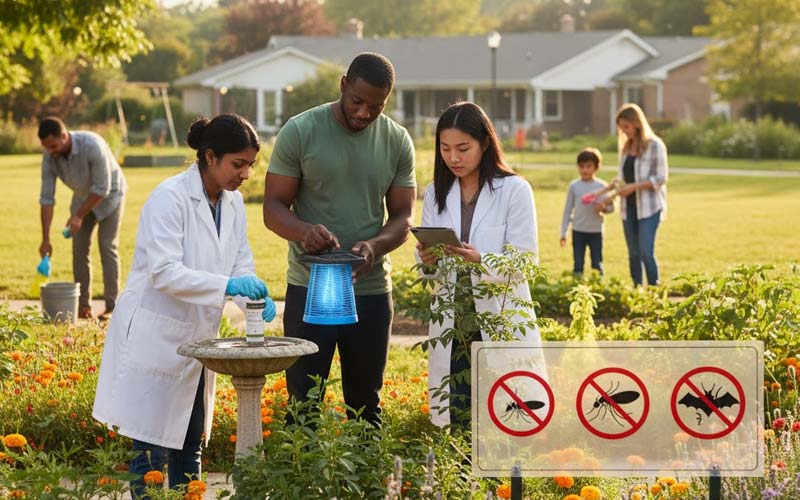
Mosquitoes are not only a nuisance but also a significant public health concern, being vectors for diseases such as malaria, dengue fever, Zika virus, and West Nile virus. As the climate changes and global travel increases, the spread of these diseases is becoming more widespread, necessitating comprehensive mosquito management strategies. This article explores integrative approaches to mosquito management, which combine multiple methods to effectively control mosquito populations and reduce disease transmission risks.
Understanding Mosquito Ecology
Effective mosquito management begins with understanding the ecology and life cycle of mosquitoes. Mosquitoes go through four stages of life: egg, larva, pupa, and adult. They are typically found in areas with standing water, which is essential for their breeding. Therefore, identifying and eliminating mosquito breeding sites is a crucial step in reducing their populations. This can include draining standing water, cleaning clogged gutters, and properly maintaining swimming pools and water features.
Biological Control Methods
Biological control involves using natural predators to manage mosquito populations. This can include introducing larvae-eating fish, like Gambusia affinis, into water bodies where mosquitoes breed. Additionally, certain bacteria, such as Bacillus thuringiensis israelensis (Bti), can be used to target mosquito larvae without harming other wildlife. These methods are environmentally friendly and can be highly effective when combined with other control strategies.
Chemical Control and Its Challenges
Chemical control methods, such as insecticides, are commonly used in mosquito management. However, the overreliance on chemical controls can lead to resistance in mosquito populations and potential harm to non-target species, including humans. Therefore, chemical control should be used judiciously and as part of an integrated pest management plan. Rotating different classes of insecticides and applying them at optimal times can minimize these challenges.
Community-Based Interventions
Community involvement is essential in mosquito management. Public education campaigns can raise awareness about reducing mosquito breeding sites and the importance of personal protection measures, such as using insect repellent and wearing long sleeves. Community clean-up events and neighborhood watch programs can significantly reduce local mosquito populations by eliminating breeding grounds.
Technological Innovations
Recent technological advancements have introduced new tools for mosquito management. For instance, the use of genetically modified mosquitoes that produce non-viable offspring can reduce mosquito populations over time. Additionally, advancements in digital mapping and drone technology allow for precise targeting of mosquito habitats, improving the efficiency of control efforts.
Collaborative Efforts in Huntsville
In Huntsville, Alabama, integrative mosquito management approaches are being implemented by organizations such as Huntsville pest control services. These organizations collaborate with local authorities and communities to employ a combination of methods tailored to the specific needs of the area, ensuring sustainable and effective mosquito management.
Conclusion
Integrative approaches to mosquito management are essential for effectively controlling mosquito populations and reducing disease transmission. By combining ecological understanding, biological and chemical controls, community involvement, and technological innovations, it is possible to develop sustainable strategies that protect public health and the environment. As mosquito-borne diseases continue to pose challenges globally, adopting integrative management practices will become increasingly important.