


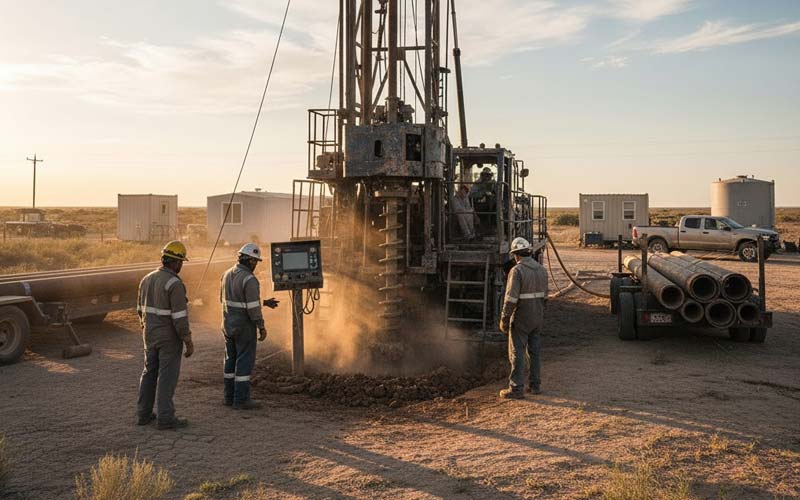
Access to clean, safe water is one of the most pressing global challenges today. With climate change, population growth, and increasing water scarcity, finding sustainable solutions for water access is more important than ever. Well drilling has emerged as a reliable and environmentally responsible method for providing communities, farms, and households with a consistent water source.
Understanding the Global Water Crisis
According to the World Health Organization, over 2 billion people worldwide lack access to safely managed drinking water services. Waterborne diseases, agricultural needs, and urban growth intensify the demand for innovative, sustainable water supply systems.
What is Well Drilling?
Well drilling is the process of creating a borehole in the ground to access groundwater stored in aquifers. This method has evolved with technology, making it safer, more efficient, and more sustainable than ever before.
| Type of Well | Description | Use Cases |
| Dug Well | Shallow, hand-dug, lined with stones or bricks | Rural, traditional areas |
| Driven Well | Small-diameter, pipe-driven into the ground | Shallow aquifers, domestic |
| Drilled Well | Deep, created by rotary or percussion drilling | Residential, agricultural, municipal |
Drilled wells are most commonly used today for their depth, safety, and ability to reach cleaner water sources.
The Well Drilling Process
When considering well drilling, it’s important to understand the step-by-step process that ensures both safety and sustainability.
Site Assessment and Planning
- Hydrogeological Survey: Experts assess the geology and water table to maximize yield and minimize risks.
- Permitting: Local regulations require permits to protect public health and groundwater resources.
- Well Design: Professionals determine the ideal depth, casing, and screens for the specific location.
| Drilling Method | Benefits | Limitations |
| Rotary Drilling | Fast, deep, suitable for various soils | Requires large equipment |
| Percussion Drilling | Effective in hard rock | Slower, labor-intensive |
| Auger Drilling | Cost-effective for shallow wells | Not suitable for deep wells |
Well Construction and Development
- Borehole Drilling: Specialized equipment drills through soil and rock layers to reach the aquifer.
- Casing Installation: PVC or steel casing prevents borehole collapse and contamination.
- Well Screen Placement: Allows water into the well while filtering out sand and debris.
- Gravel Packing: Improves filtration and stabilizes the well.
- Well Development: Flushing and pumping clear out sediment to ensure clean water flow.
Water Quality Testing and Maintenance
After construction, comprehensive water quality testing is performed to detect contaminants such as bacteria, nitrates, and heavy metals. Regular maintenance, including pump checks and cleaning, ensures the well continues to provide safe water.
For residents in Georgia, reliable well services are essential for long-term performance. Learn more about well services and professional maintenance options.
Sustainability and Environmental Impact
Sustainability is at the heart of effective well drilling. Responsible practices protect both the environment and water users.
Groundwater Stewardship
Properly managed wells help avoid over-extraction, which can lead to aquifer depletion and land subsidence. Sustainable well drilling includes:
- Drilling only as deep as necessary
- Monitoring withdrawal and recharge rates
- Encouraging rainwater harvesting to supplement groundwater
Protecting Water Quality
Environmental risks can be minimized by:
- Siting wells away from pollution sources (septic systems, waste dumps)
- Sealing old or abandoned wells to prevent contamination
- Routine water testing and prompt issue resolution
Benefits of Well Drilling for Reliable Water Access
Well drilling offers numerous advantages for individuals, communities, and businesses:
Consistent and Independent Water Supply
- Resilience: Wells provide water even during municipal outages or droughts.
- Autonomy: Users are less dependent on external water systems.
Cost-Effectiveness
- Lower Ongoing Costs: Well water users often pay less over time compared to municipal water bills.
- Increased Property Value: Private wells enhance the utility and value of land.
Health and Quality of Life
- Safe Drinking Water: When properly constructed and maintained, wells supply clean, uncontaminated water.
- Support for Agriculture: Irrigation and livestock watering become more reliable.
Community Resilience
- Emergency Preparedness: Wells can serve as the primary or backup water source during natural disasters.
Recent Data and Trends in Well Drilling
Growing awareness of water scarcity is driving demand for well drilling around the world. Technological advancements and rigorous regulations are making wells safer and more sustainable.
Global Well Drilling Market Growth
| Region | Market Growth (2022-2024) | Major Factors |
| North America | 4.50% | Drought, rural development |
| Africa | 7.20% | NGO projects, urbanization |
| Asia-Pacific | 6.10% | Agriculture, industry |
| Europe | 3.90% | Environmental regulations |
Water Access Statistics
- 2 billion people lack safely managed drinking water (World Health Organization)
- 829,000 people die each year from water-related diseases
- 80% of illnesses in developing countries stem from unsafe water
Choosing Professional Well Drilling and Well Services
Selecting a reputable provider for well drilling and ongoing well services is critical for safety, compliance, and performance.
How to Choose the Right Well Drilling Partner
- Licensing and Certification: Ensure the provider is licensed and knowledgeable about local regulations.
- Experience: Look for proven expertise in your area.
- Comprehensive Services: From site surveys to installation and maintenance.
- Clear Communication: Transparent pricing and realistic timelines.
- References: Positive reviews and recommendations.
For those in Georgia seeking expert assistance, explore well drilling for high-quality, professional service.
Conclusion: Toward Sustainable Water Security
Well drilling is a proven, sustainable solution for reliable water access. With modern technology, rigorous safety standards, and a focus on environmental stewardship, well drilling empowers communities and individuals to secure their water future.
As water challenges intensify, investing in professional well drilling and ongoing well services is a proactive step toward health, resilience, and sustainability.